
Health
News Conference: 2026 Gun Deer Season
By Katherine Langford
Advertisement · Why this ad?
Katherine oversees editorial operations across all six brands. Before joining The Meridan Group, she spent 14 years at the Minneapolis Star Tribune, where she led the metro desk through its digital transformation. She holds a Master's in Journalism from Northwestern's Medill School.
More from Katherine →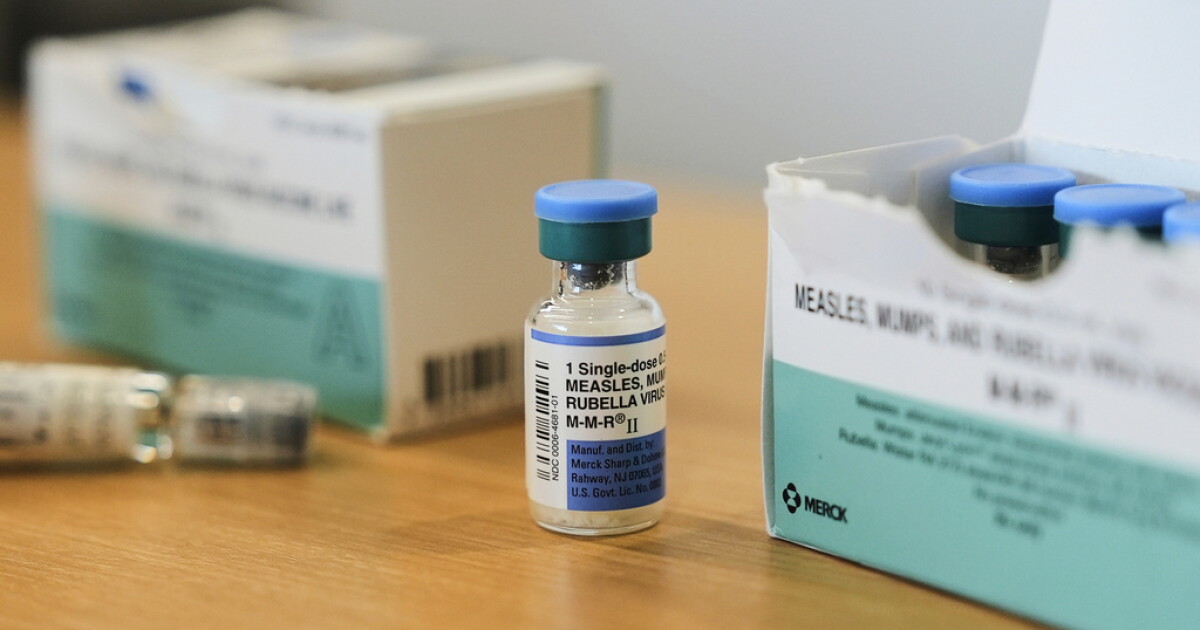
SHAWANO COUNTY (NBC 26) — A case of measles has been reported in Shawano County. The Shawano-Menominee Counties Health Department is now on high alert, urging residents who may have been exposed to the disease to come forward. This latest case follows an outbreak in the southwestern part of the state, which has spread to 15 counties, making Shawano County the 16th. The second county in Northeast Wisconsin to report a case, following Green Lake County last week, brings the total number of affected areas closer to home for many residents.
The situation is even more concerning as the Wisconsin measles outbreak: How concerned should Milwaukee be? was reported this week, highlighting the severity of the disease. The Centers for Disease Control and Prevention (CDC) describes measles as a highly contagious, vaccine-preventable infectious disease caused by the measles virus. Symptoms include a runny nose, high fever, tiredness, cough, red or watery eyes, and a red rash with raised bumps that starts at the hairline and moves toward the arms and legs a few days after symptoms begin. Measles can lead to more serious health problems, such as pneumonia, brain damage, and deafness. It is also deadly in about two out of every 1,000 cases.
The current measles outbreak in Wisconsin represents a significant public health challenge, marking the largest resurgence of the disease in decades. While measles was declared eliminated in the United States in 2000, recent outbreaks, like the one currently impacting Wisconsin, are a reminder that the virus can re-emerge, especially with declining vaccination rates and increased international travel. The initial cases were reported in southwestern Wisconsin, and the rapid spread to 15 counties underscores the contagious nature of measles and the difficulties in containing its transmission once it takes hold. The death of an infant is a tragic consequence of this outbreak, highlighting the potential for severe complications, particularly in vulnerable populations like infants too young to be vaccinated.
The Shawano County case was reported following a visit to the Marshfield Medical Center-Weston emergency department between 1:30 and 3:30 p.m. on Thursday, Nov. 5. The health department is working to identify and notify anyone who may have been exposed during this time. Officials are urging individuals who were present to contact the health department for further guidance and to monitor their health for any symptoms that may appear. Marshfield Medical Center-Weston serves a large rural area of Shawano County and surrounding communities, making it a potential hub for transmission. The emergency department, by its nature, sees a high volume of patients, increasing the risk of exposure.
The outbreak has spread to 15 counties in Wisconsin, with Shawano County being the 16th to report a case. This brings the total number of affected areas closer to home for many residents, particularly those in Northeast Wisconsin. The disease has already claimed the life of a baby in Grant County, making it the first measles-associated death reported in Wisconsin since 1990. The Grant County death serves as a stark reminder of the severity of measles and the importance of preventing its spread.
Local health officials are taking the situation seriously and are encouraging residents to protect themselves and their communities with the measles, mumps, and rubella (MMR) vaccine. The CDC reports that the MMR vaccine is 97% effective at preventing the disease when two doses are administered. The outbreak has understandably caused concern within communities across Wisconsin, prompting questions about the safety of public spaces and the potential for further spread. The Milwaukee Health Department’s proactive steps to offer free vaccinations demonstrate a commitment to protecting the city’s population.
Dr. Ryan Westergaard, chief medical officer for the Wisconsin Department of Health Services, emphasized the importance of vaccination: 'Measles is not simply a childhood illness that causes a fever and a rash. It can cause pneumonia, inflammation of the brain, permanent disability, and death.' The first dose of the vaccine is recommended for children at 12 months, with a second dose at kindergarten age. Wisconsin's current measles vaccination rate is 85%, leaving room for improvement in areas with lower vaccination rates. This 85% rate, while seemingly high, is below the threshold needed to achieve herd immunity, which protects those who cannot be vaccinated, such as infants or individuals with compromised immune systems.
The current outbreak highlights the ongoing challenge of vaccine hesitancy in Wisconsin and across the nation. While the MMR vaccine is overwhelmingly safe and effective, misinformation and unfounded concerns have led some parents to delay or decline vaccination for their children. This hesitancy contributes to lower vaccination rates, creating opportunities for diseases like measles to spread. Addressing vaccine hesitancy requires open communication, providing accurate information, and addressing the specific concerns that individuals may have. Local healthcare providers play a crucial role in this effort, building trust and providing personalized guidance to families.
Health experts are urging individuals to check their vaccination records using the Wisconsin Immunization Registry. For families in outbreak areas, the Wisconsin Department of Health Services is now recommending the vaccine for babies starting at six months, as infants and immunocompromised individuals are most at risk. Some local health departments, such as the Milwaukee Health Department, are making the vaccine readily available. Clinic locations include: Southside Health Center Monday, 3-6 p.m. Tuesday, 1-4 p.m., Northwest Health Center Wednesday, 3-6 p.m., and Keenan Health Center Thursday, 1-4 p.m.
Beyond the Milwaukee Health Department’s clinics, residents can also contact their primary care providers or local pharmacies to inquire about measles vaccination availability. The Wisconsin Department of Health Services website provides a comprehensive list of resources and information about measles prevention and control.
Local health officials are closely monitoring the situation and are working to contain the spread of the disease. The Shawano-Menominee Counties Health Department is urging residents who may have been exposed to come forward for further guidance and to monitor their health for any symptoms that may appear. The health department is also working to identify and notify anyone who may have been exposed during this time. Contact tracing efforts are crucial in identifying and isolating infected individuals, preventing further transmission.
For families in outbreak areas, the Wisconsin Department of Health Services is now recommending the vaccine for babies starting at six months, as infants and immunocompromised individuals are most at risk. Some local health departments, such as the Milwaukee Health Department, are making the vaccine readily available. Clinic locations include: Southside Health Center Monday, 3-6 p.m. Tuesday, 1-4 p.m., Northwest Health Center Wednesday, 3-6 p.m., and Keenan Health Center Thursday, 1-4 p.m.
The outbreak has already claimed the life of a baby in Grant County, making it the first measles-associated death reported in Wisconsin since 1990. This underscores the importance of vaccination and the need for vigilance in preventing the spread of the disease.
The measles outbreak serves as a critical reminder of the ongoing importance of public health infrastructure and preventative measures. Strengthening vaccination rates, improving disease surveillance, and addressing vaccine hesitancy are essential steps in protecting Wisconsin communities from preventable diseases. The state's response to this outbreak will likely inform future public health strategies and policies aimed at preventing similar situations from occurring.
The reported measles case in Shawano County is a stark reminder of the importance of vaccination and the potential consequences of vaccine hesitancy. As a parent, I am acutely aware of the risks that come with not vaccinating, and I urge all residents to take this seriously. The MMR vaccine is highly effective, and getting vaccinated is not just about protecting yourself but also your community. We must continue to support our local health departments and medical professionals in their efforts to keep our communities healthy and safe. It's vital that we have conversations with our healthcare providers, address any concerns we have, and ensure that our families are protected against preventable diseases like measles.
By Katherine Langford

By Katherine Langford

By Katherine Langford

By Marcus Chen